
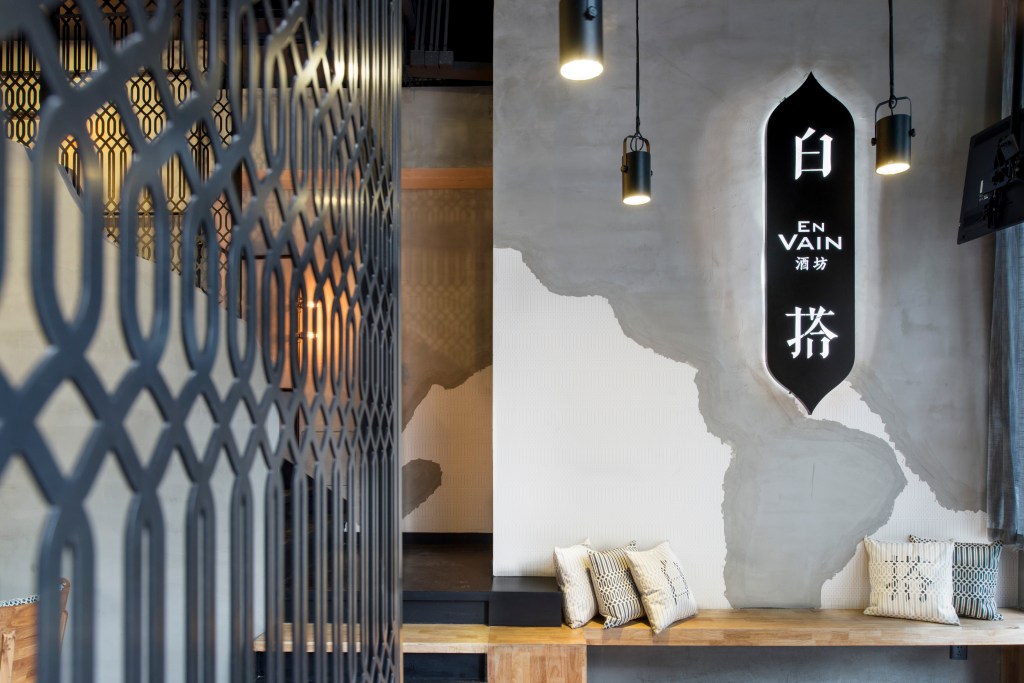
By combining traditional and modern elements, we innovatively redefined the Chinese baijiu category and provided a place for young and fashionable consumers with a historical and cultural heritage yet modern feel.
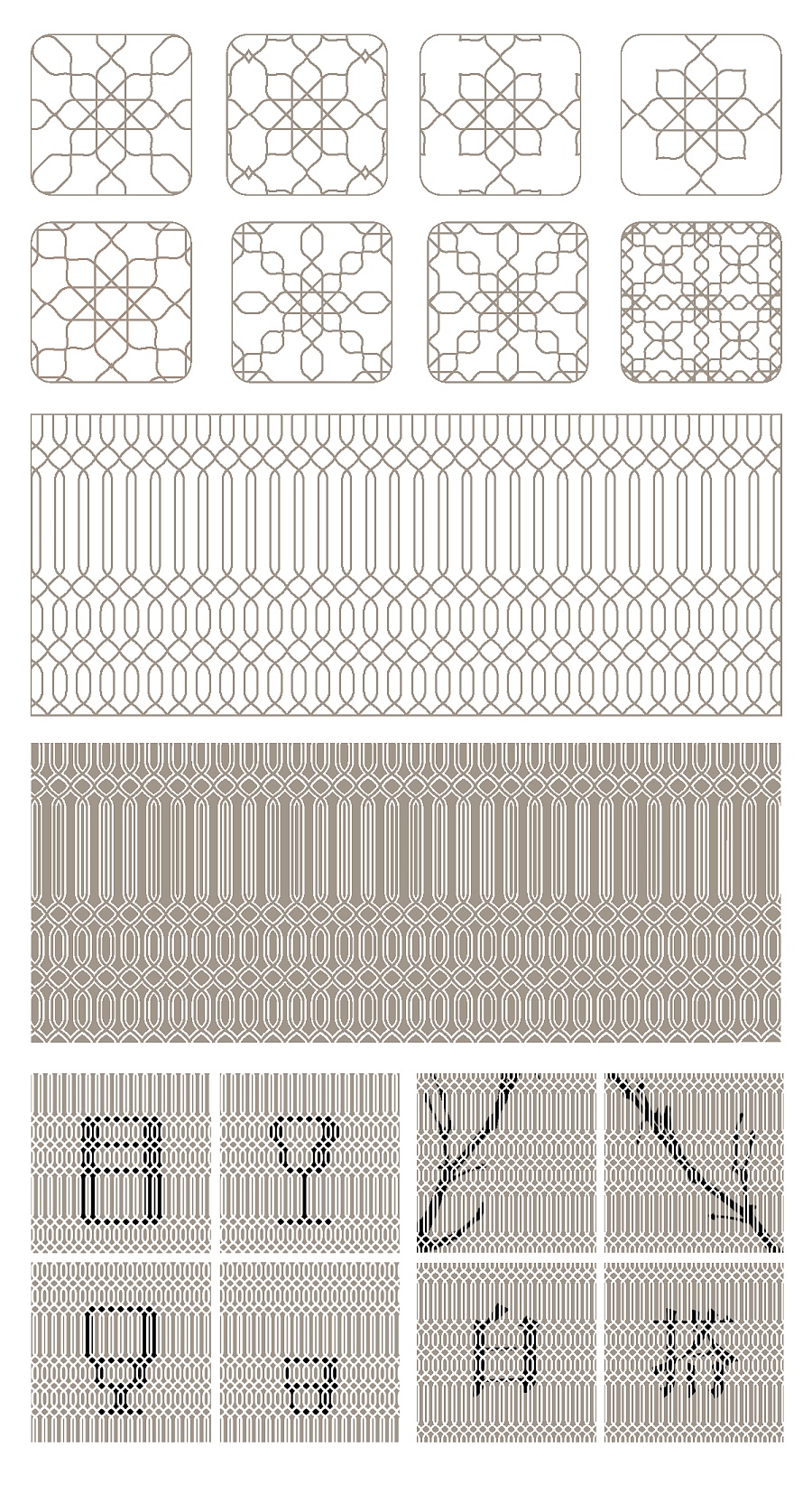
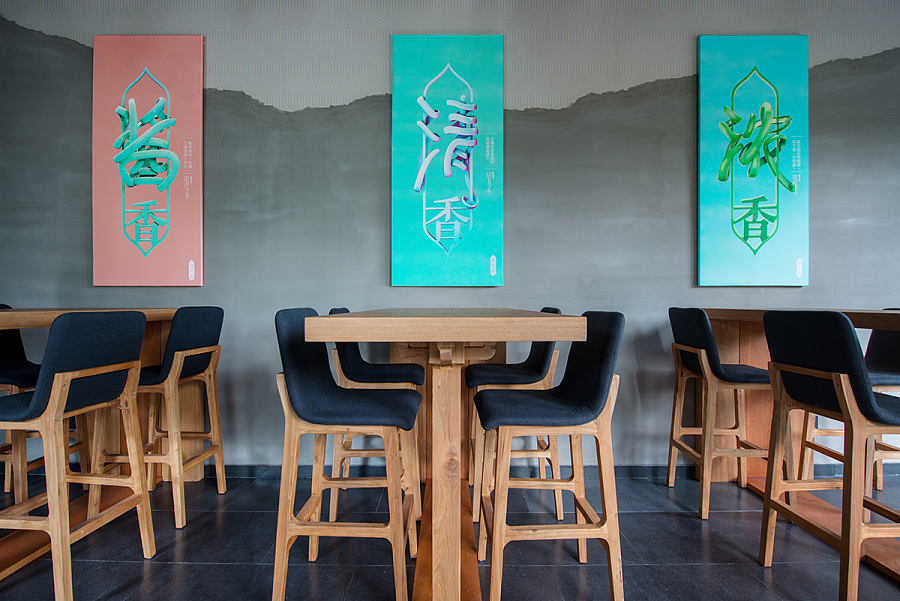
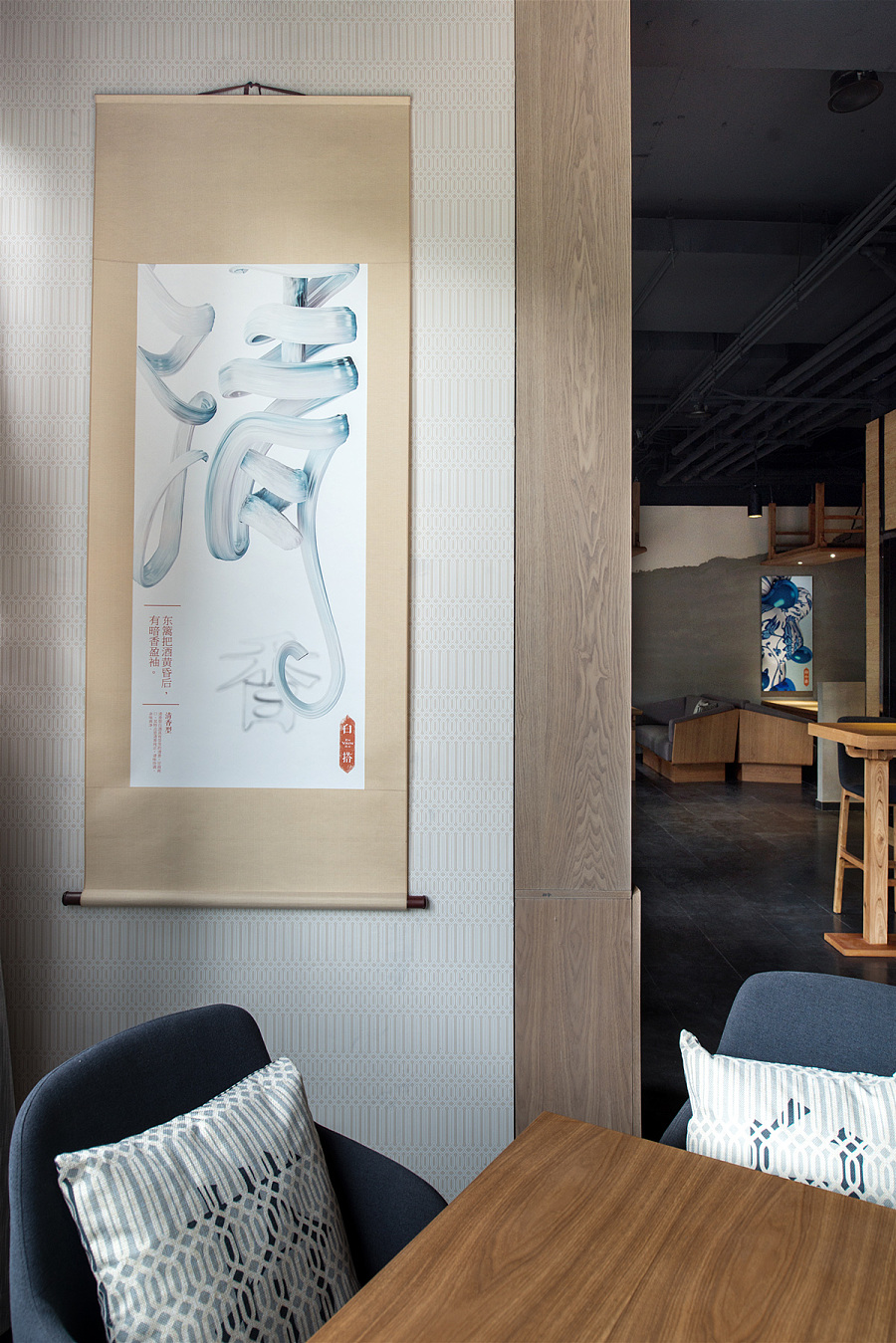
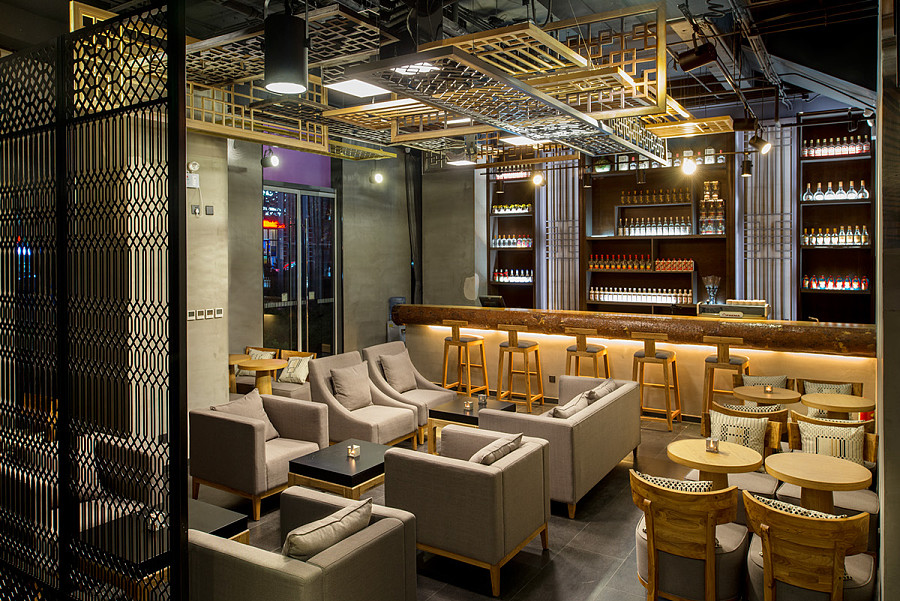
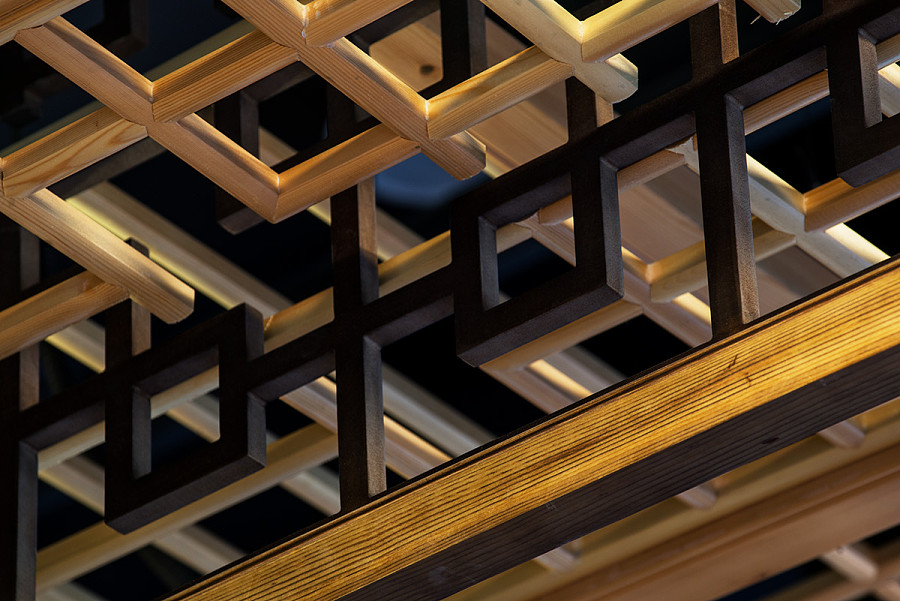
All aspects of the interior space was designed by us. From the branding, graphic motif which is then used in the screens, wallpaper and cushions, the interior design, lighting, ceiling installation. The furniture was also custom made, with chinese jointing details esp in the bar tables. The paintings were rendered using 3D software and printed on calligraphic paper and oil painting canvas. Soft furnishing designed include signage, cushions, coasters, namecards, postcards. In the disruptive use of traditional elements, we used windows found in traditional chinese houses to form the key ceiling installation. We hung tables upside down to house downlights. We created what could possibly be the first 3D rendered calligraphic paintings, inspired by the 3 fragrances of Baijiu.The screen in the foyer was laser cut from steel using the graphic motif in the branding designed.
A NEW CHINESE SPIRIT
Our job is to design a Chinese Baijiu Bar for the hip, young and fashionable.
Chinese baijiu (白酒), a strong distilled spirit, is perceived to be for an older demographic, dated, boring and old fashioned. This is an exciting opportunity to reinvent the category, in terms of how Chinese cultural elements can be interpreted in a fresh manner, yet respectful of its historical context.
The name En Vain, French for ‘in vain’, is a direct reference to this playful attitude of how to interpret culture, from food and drinks, all the way through to design.
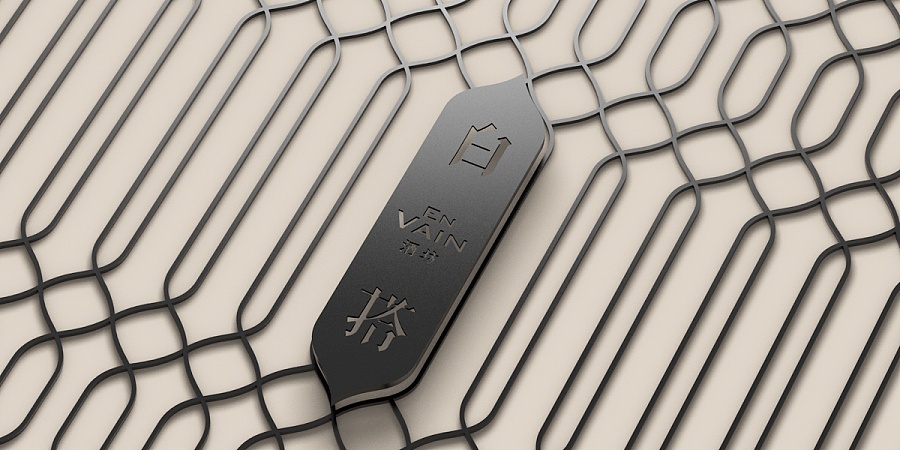
Baijiu Bar is essentially a new space typology. A Chinese product in essence, Western in experiential retail expression. Any experiment of this nature, especially in Beijing the political and cultural capital of China, needs to be respectful of traditional culture, yet reinterpreted in a meaningful manner to attract a consumer base obsessed with the cutting edge and trendy. That said, we decided to be light-hearted in this play of culture and design. We are part of this process, of defining what is Modern Chinese. We seek not to imitate the past, we respect deeply the underlying spirit, but the design expression is new and unencumbered.

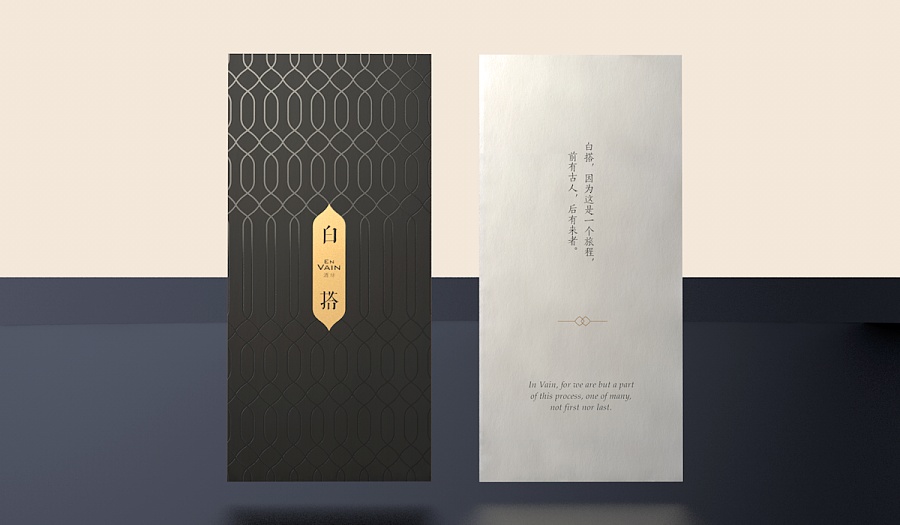
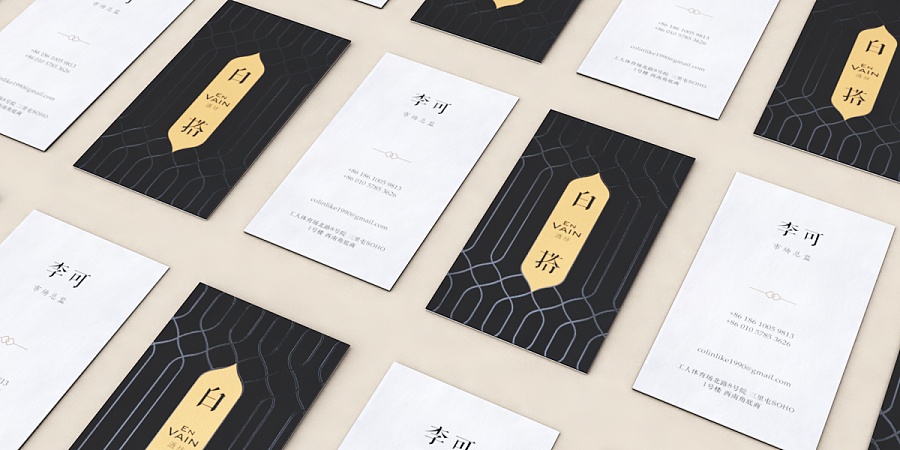
The overall experience is a layered one. At first glance a bar, with chinese elements, housed in an industrial language, with contemporary detailing. On closer inspection, disruptive play of traditional elements, modern execution of traditional tropes, a recurring graphic motif that is western yet chinese in different forms from the logo, to coasters, to wallpaper, screens, and paintings hung on the wall.
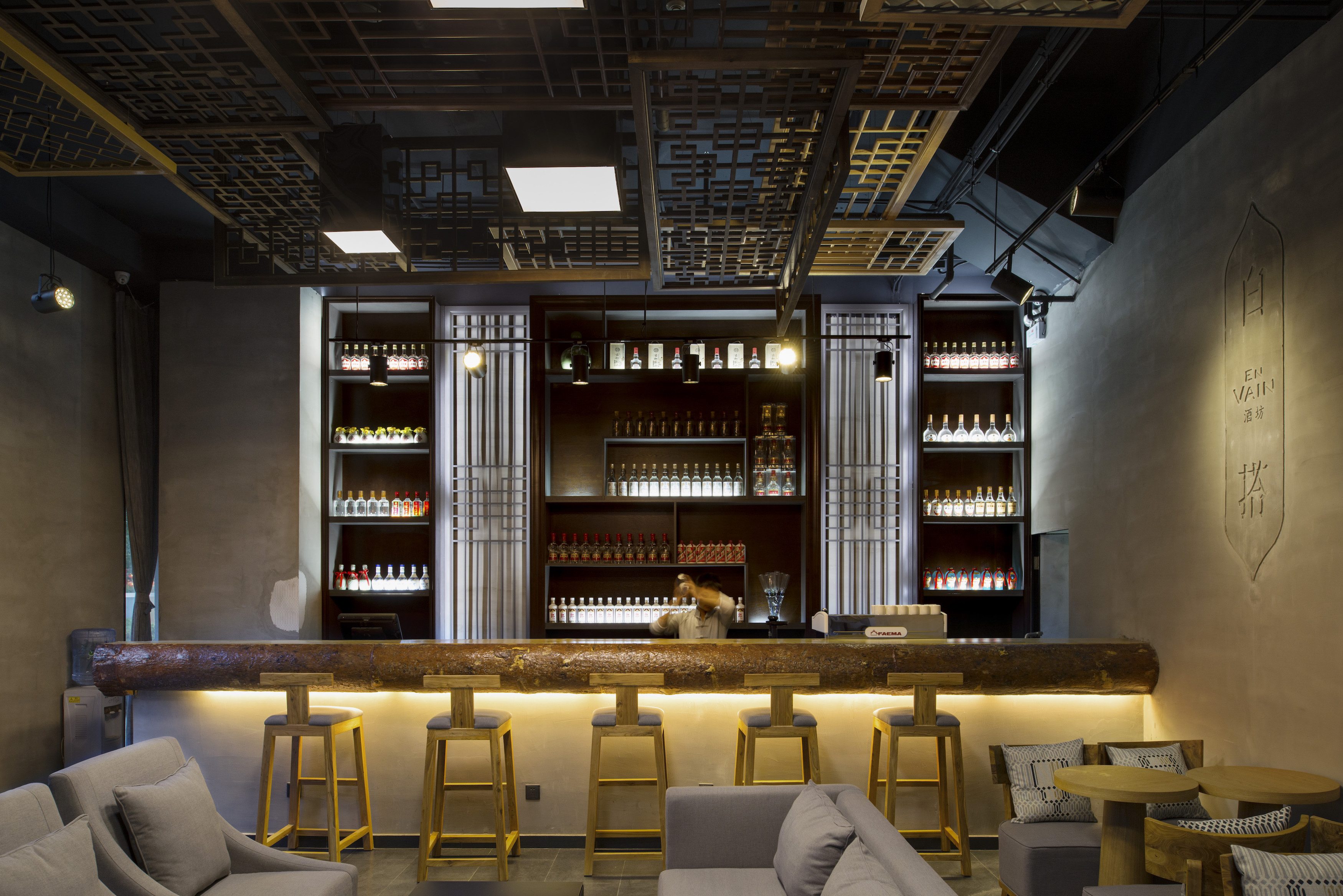
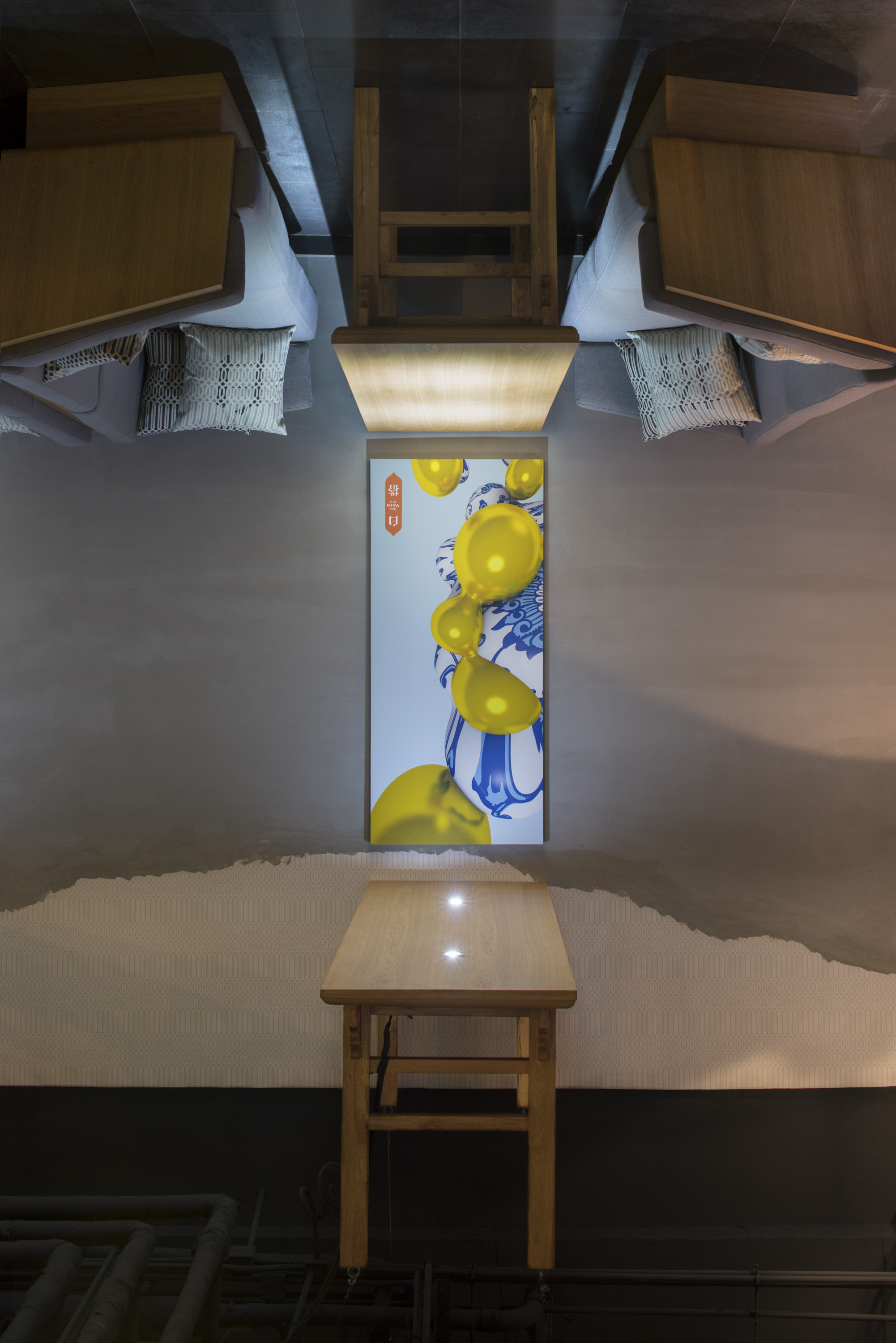
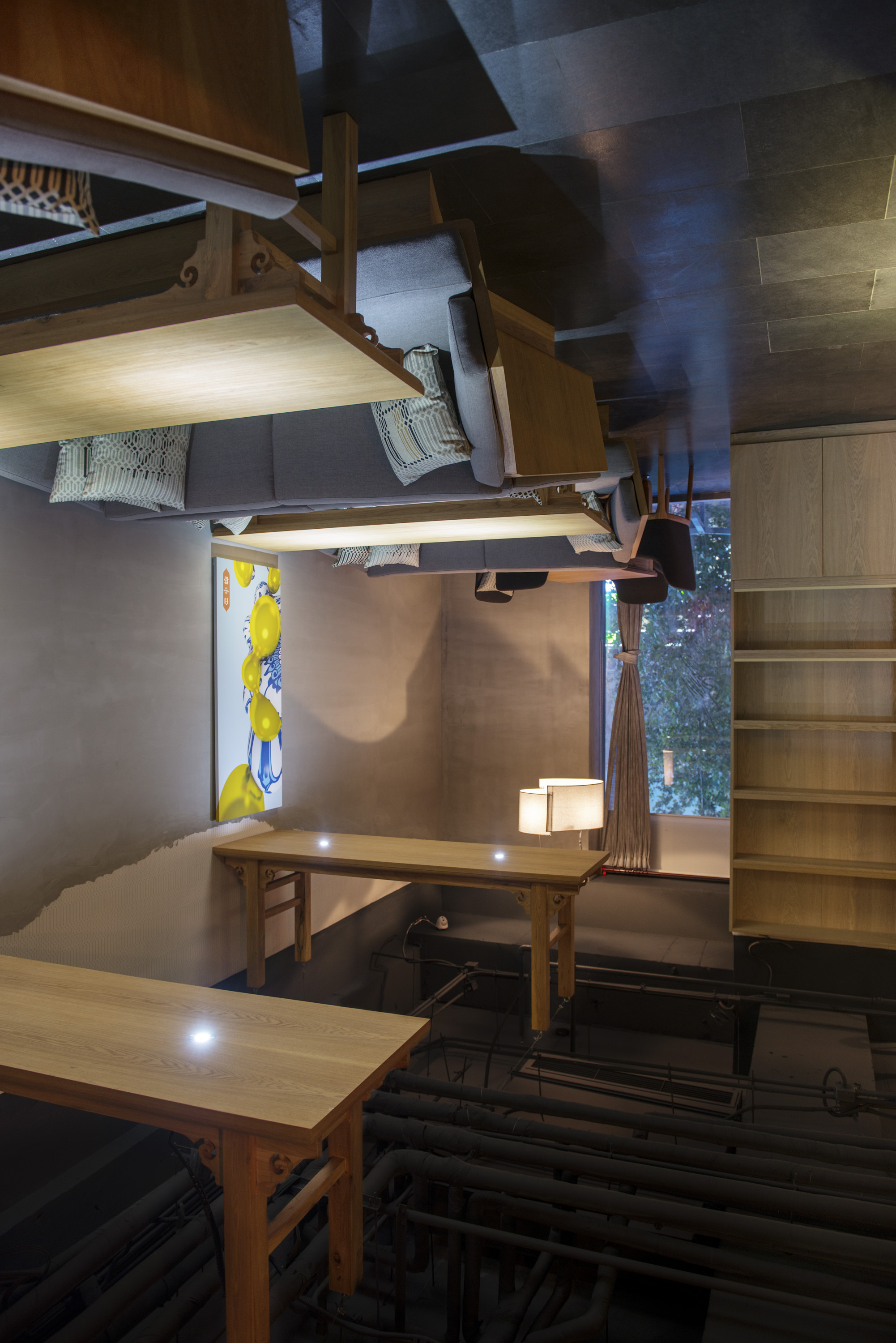
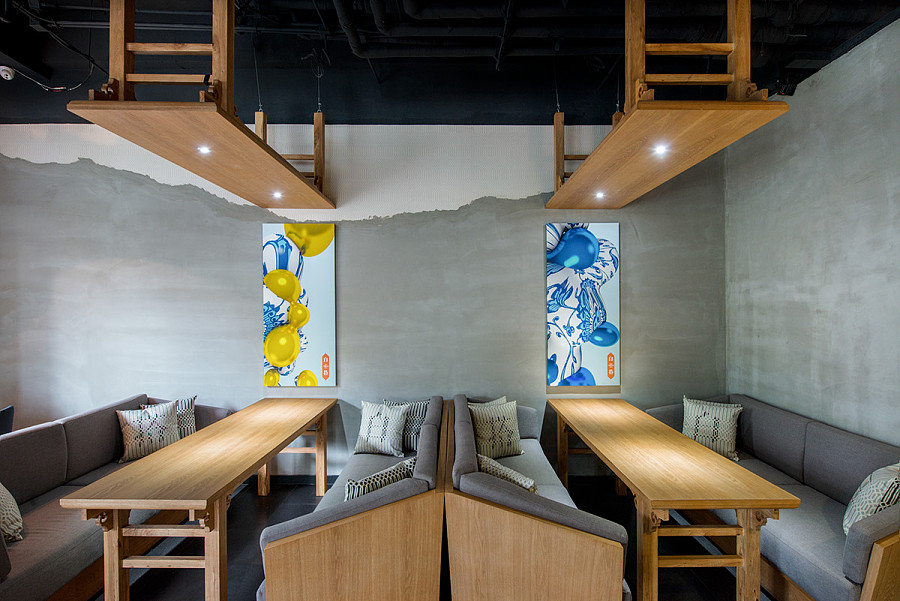

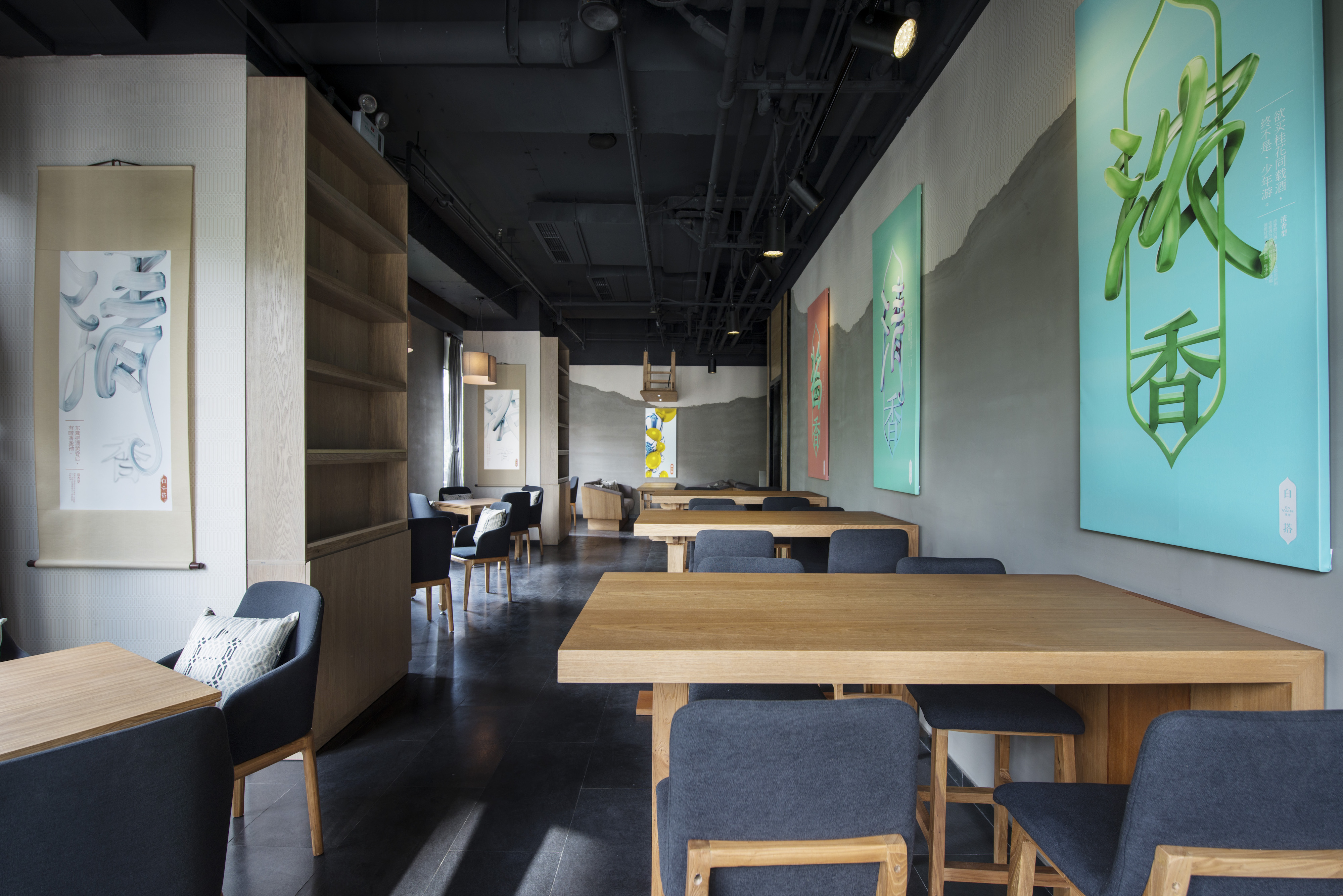
The biggest challenge was integrating these different design styles into a cohesive whole. Contemporary yet referencing traditional cultural elements, in expression both Chinese and Western in the use of patterning and iconography. Interior wise, using the current industrial language and color palette of wood, greys and neutrals, accented with bright contrasting colors found in Chinese traditions like opera costumes.
Communications Design
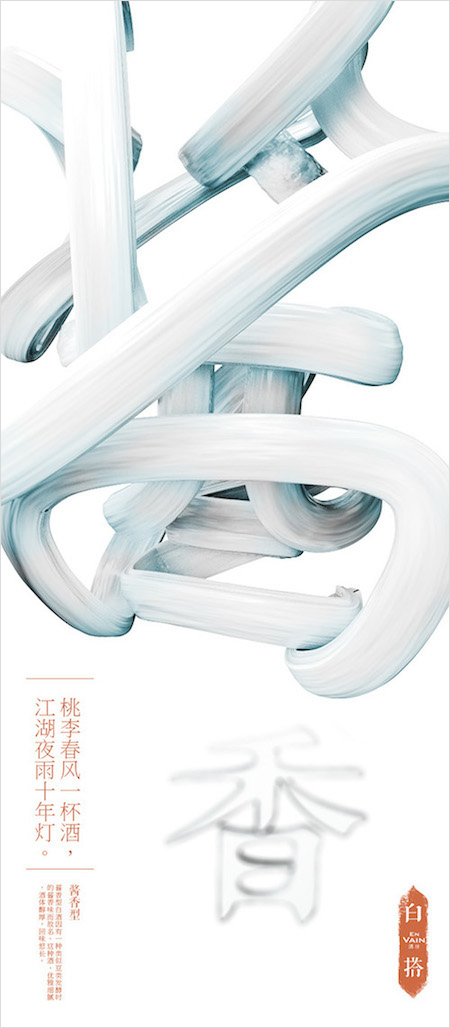
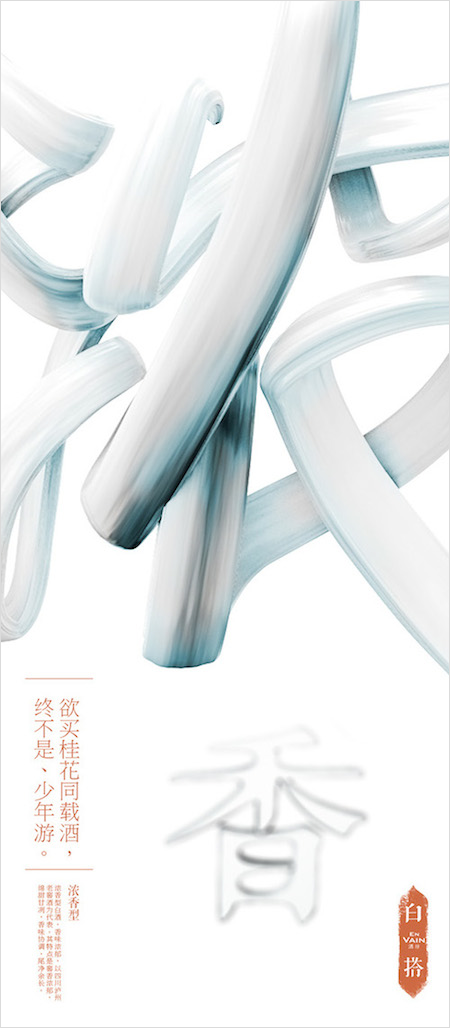
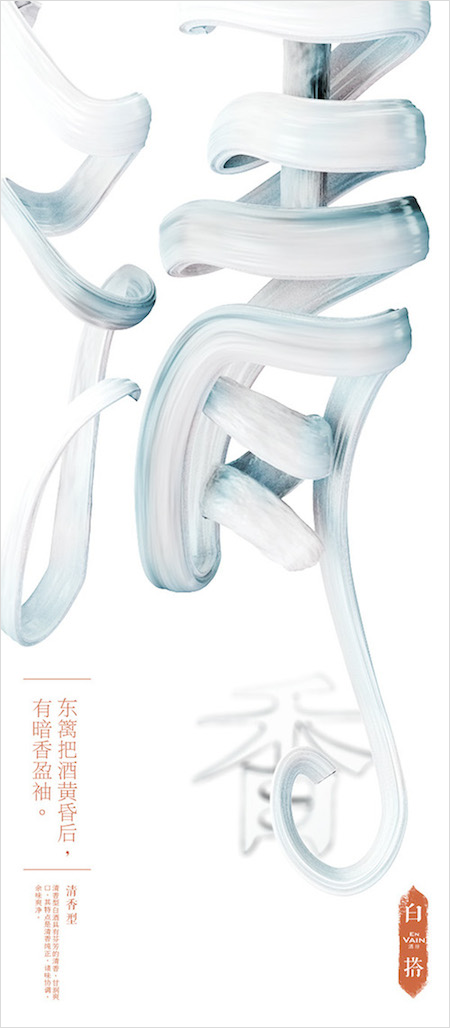
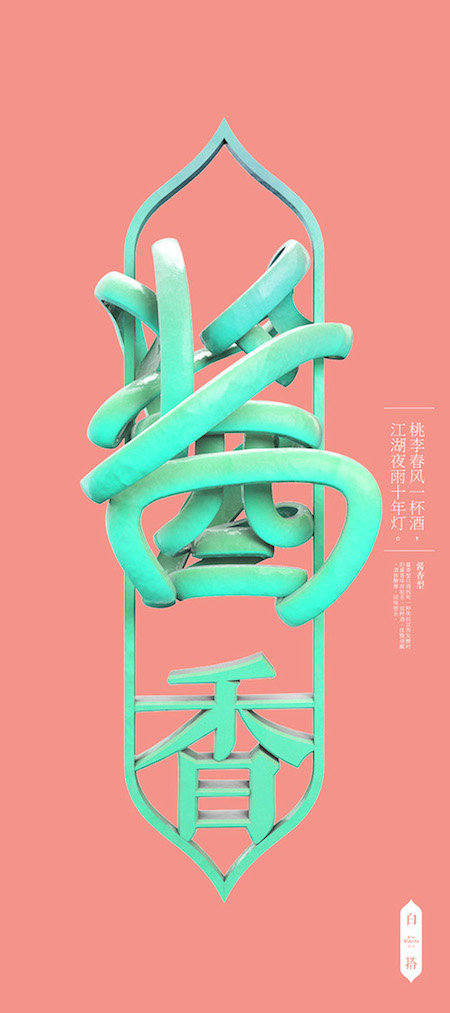
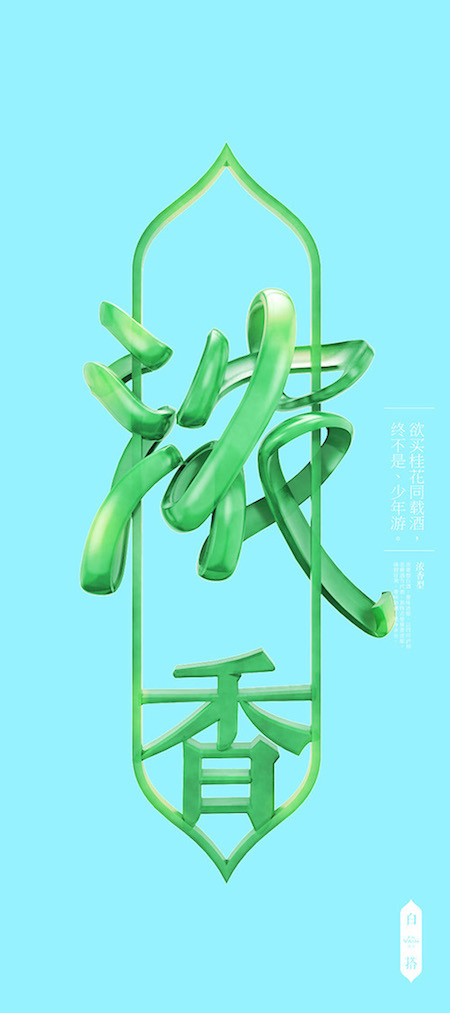
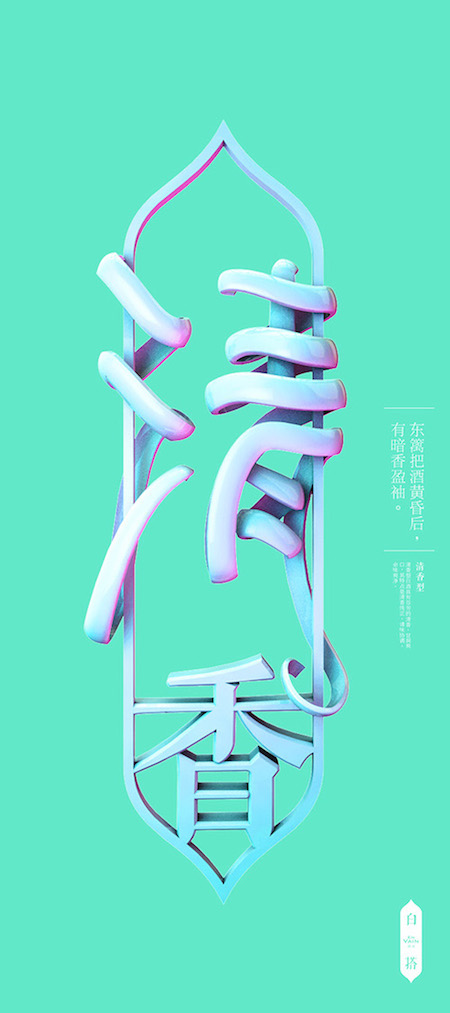
As part of the interior design, we wanted to introduce a series of paintings that fulfills two purposes. Looks like a traditional chinese painting at first glance but is actually not. On closer inspection, revealing its deeper meaning that talks about different baijiu categories and fragrances, with an accompanying poem that sets the stage for the fragrance in question.
– Concept One –
This series takes reference from Chinese calligraphy. We wanted to express the fluidity of brush strokes but drawn in 3D. The blue is a tint found in colored Chinese ink paintings, with a logo variant that looks like a Chinese seal.
– Concept Two –
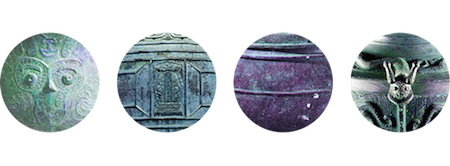
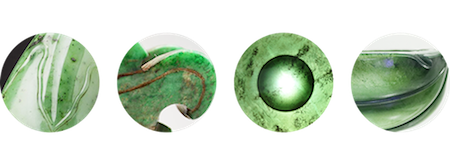
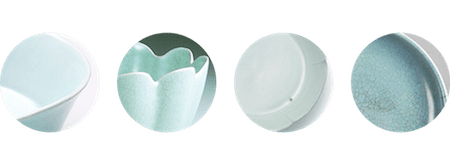
For this series we chose to use textures inspired by traditional Chinese drinking vessels. In ancient times, different dynasties use different cups for various occasions. We selected these 3 for their prominence, visual richness, and relevance to the sensorial allusion of the characters.
Bronze
Jade
Porcelain

 United Design Practice