
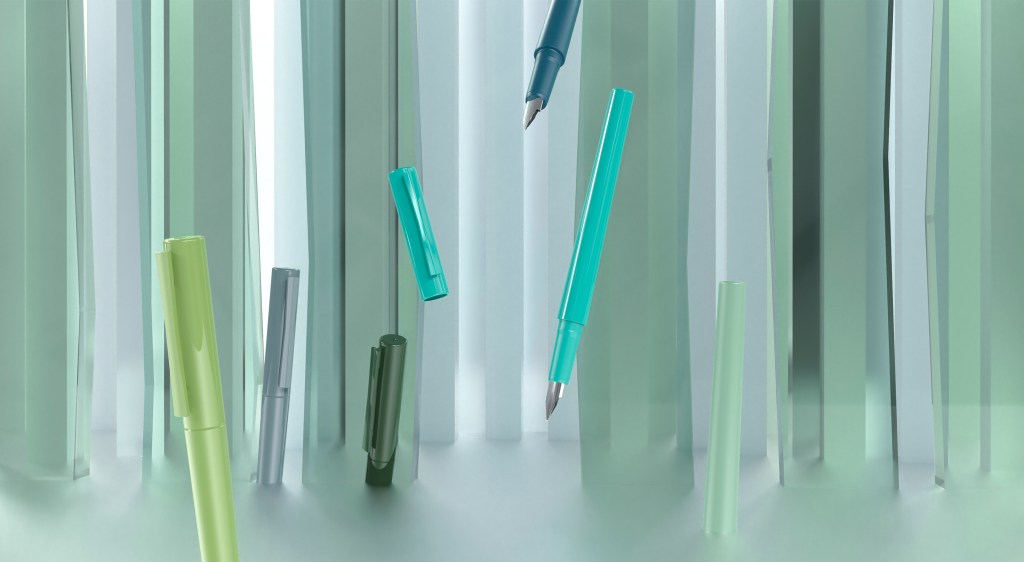
Qing is representative of traditional Chinese concept. It actually does not refer to just green as commonly thought. In 青发 it is black, 青瓦 it is gray, 青花瓷 it is blue. Qing is simply just the most exquisite, the most beautiful.
We use this to as a play to illustrate the difference between western and eastern cultures. In the West, there is a need to be definitive and to quantify. From recipes, musical notation, to Pantone colors. In the east, there is a celebration of the intentionally vague and ambiguous. In traditional Guqin 古琴 musical scores, there’s indication of which string to pluck, how to pluck, but not for how long to pluck. It is left to the spontaneity of the moment.
Atelic Series · Qing
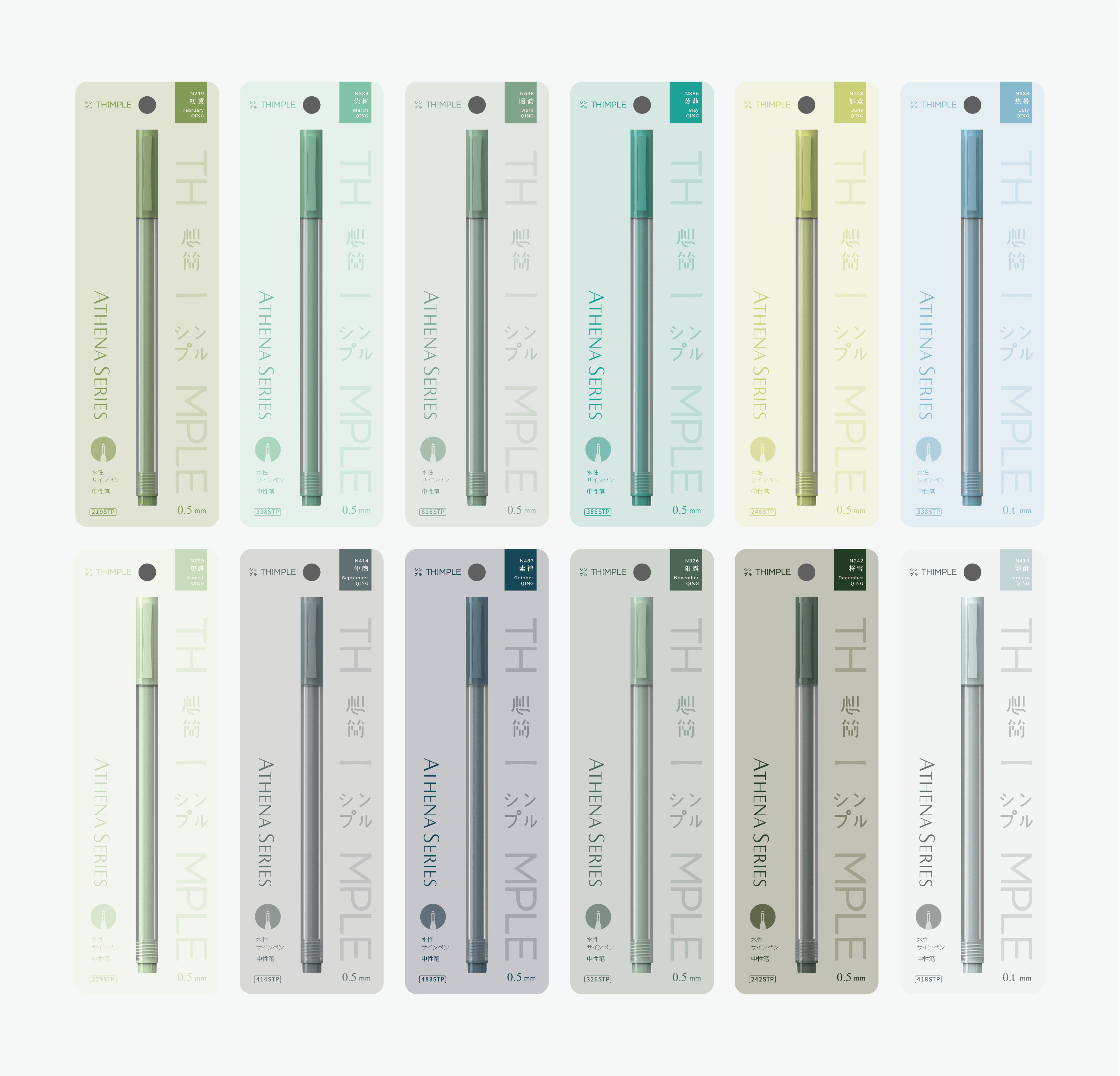
We chose the most beautiful color of each month, to express this concept.
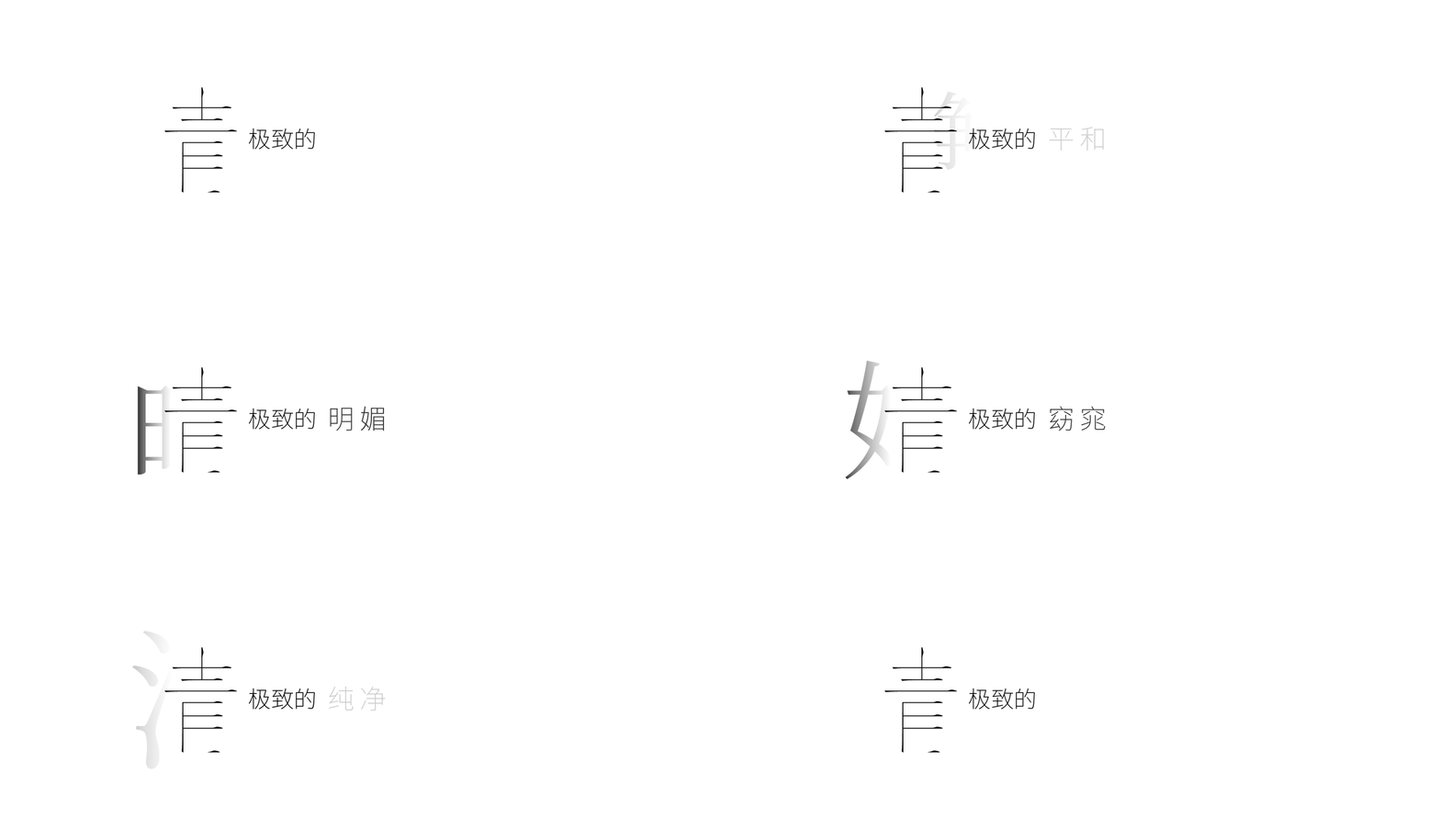
Qing in Chinese aesthetics
Is less a color
Than a feeling
The most exquisite
The most beautiful
Atelic Qing Series
An expression of beauty
In every month of the year
discover your inner qing
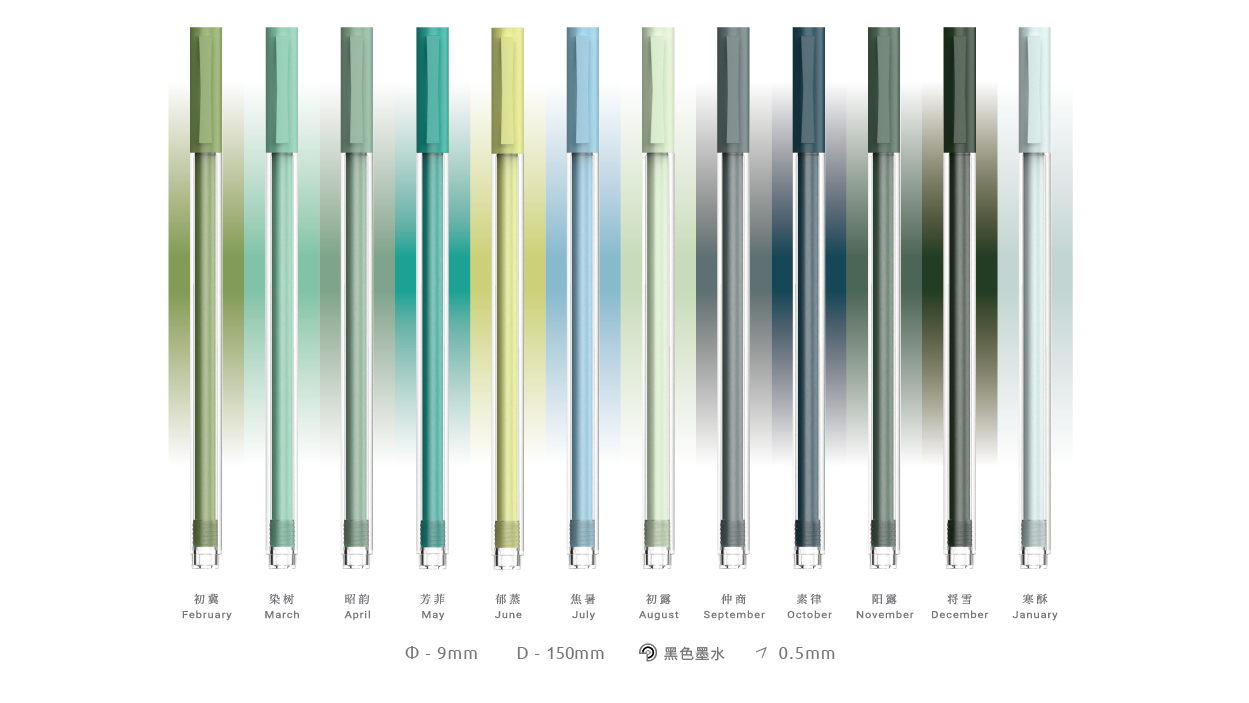
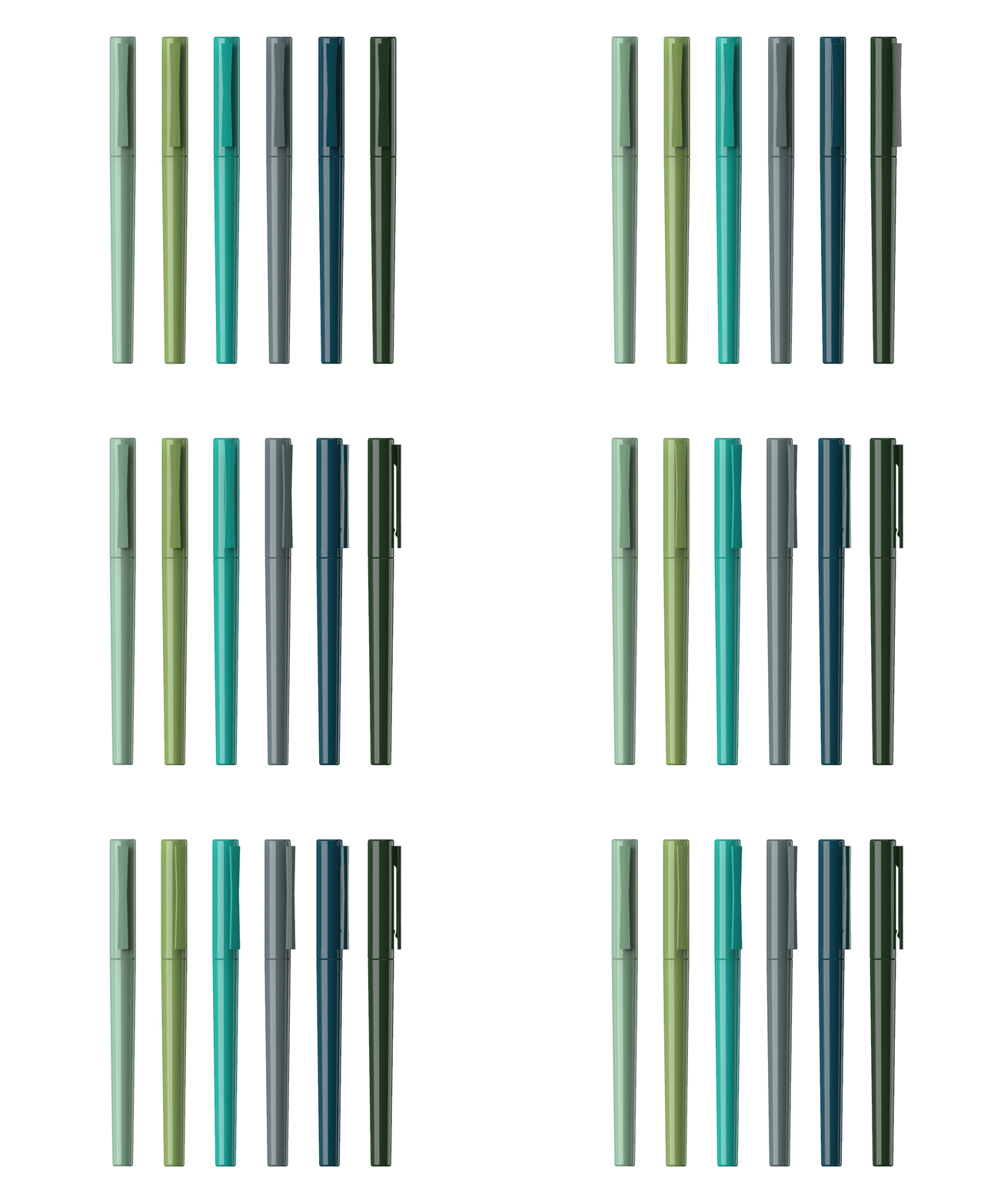
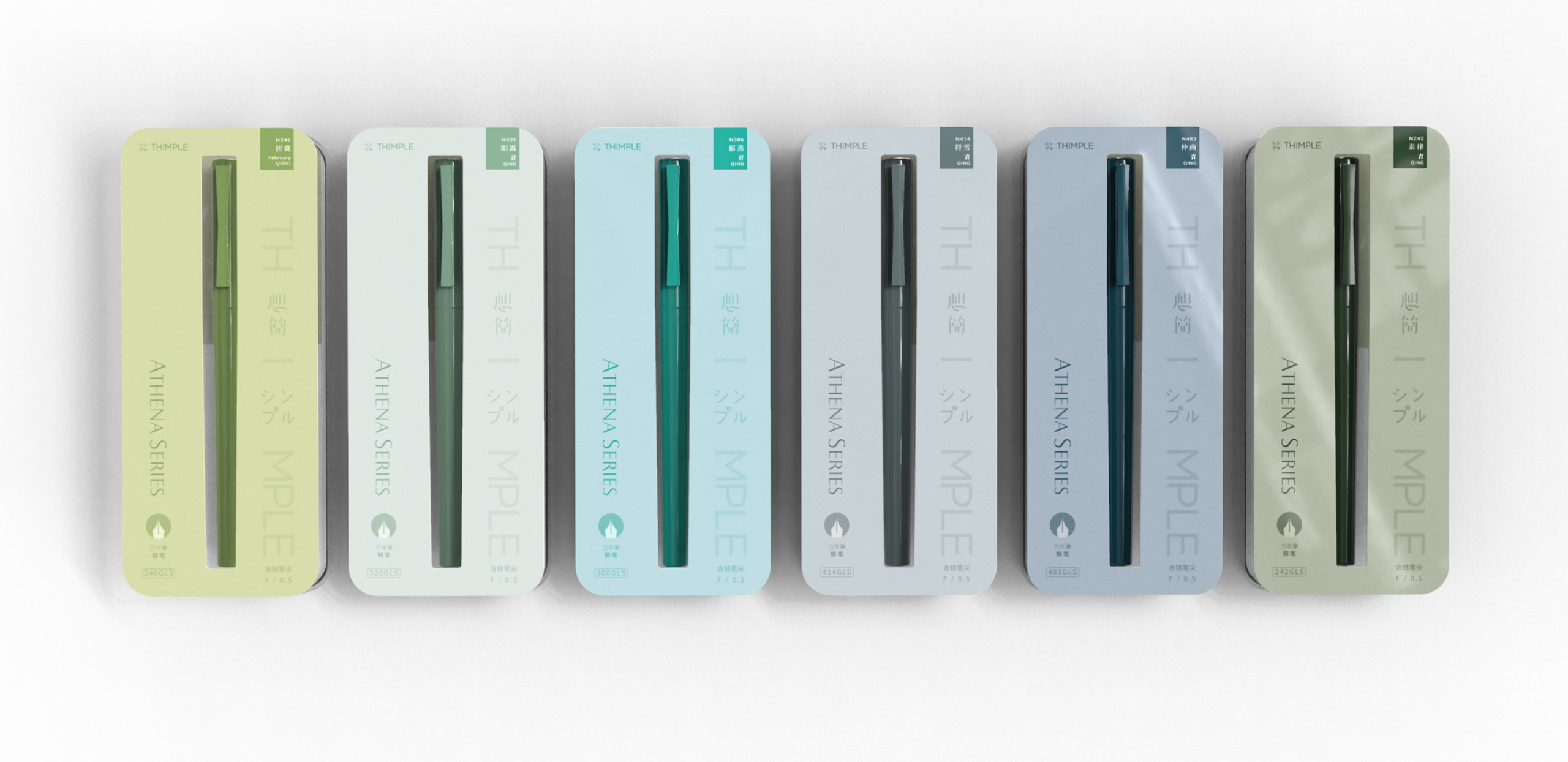
For ball point pens we have 12 colors, for fountain pens we have 6.
In addition, the background of the story we created for this series also provides users with more imagination and emotional refraction, so that everyone can interpret and understand differently.
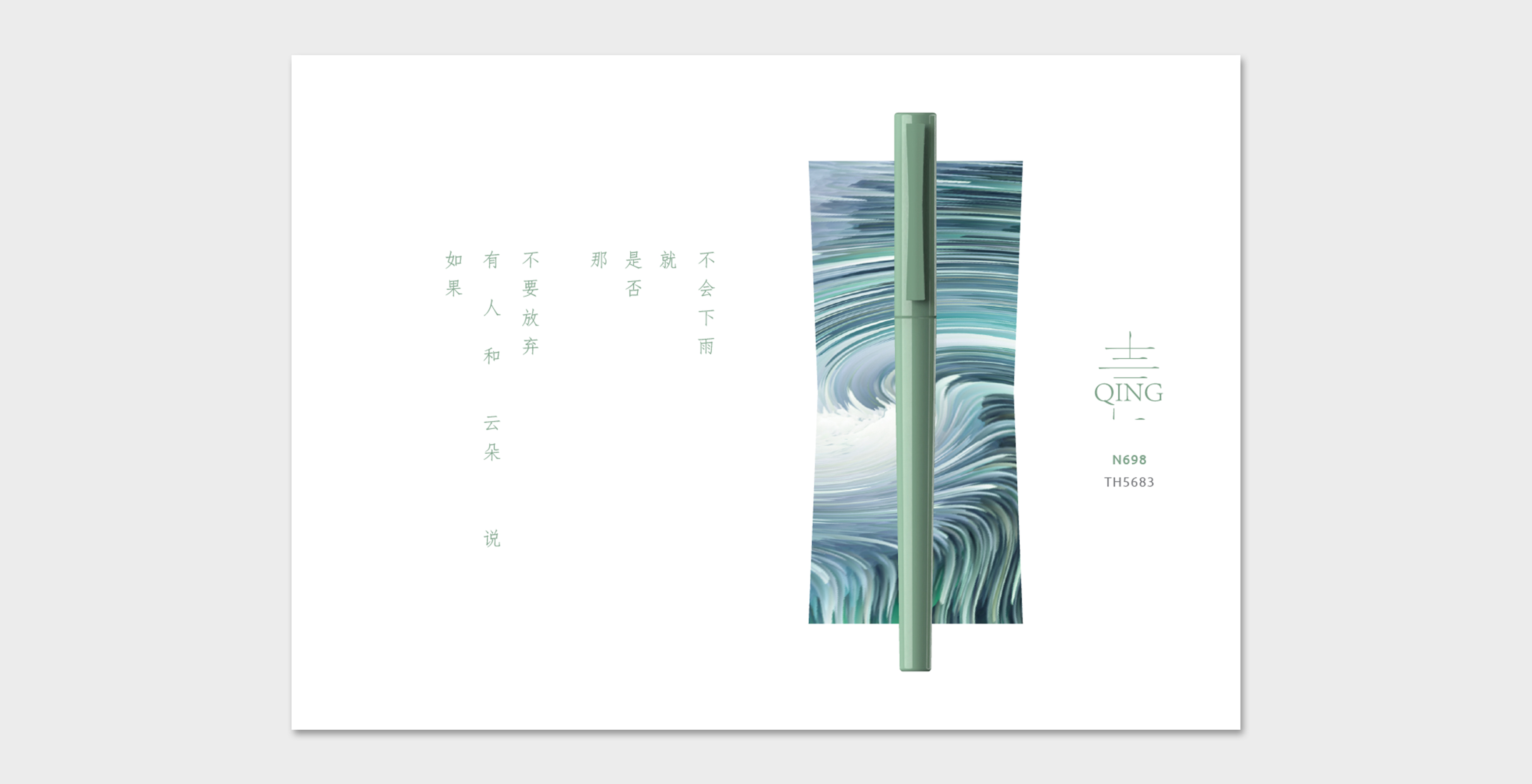
Packaging Design
In such a process from initial acquaintance to familiarity, information is divided into before and after, and the table is not suitable and does not need to be full of lists.
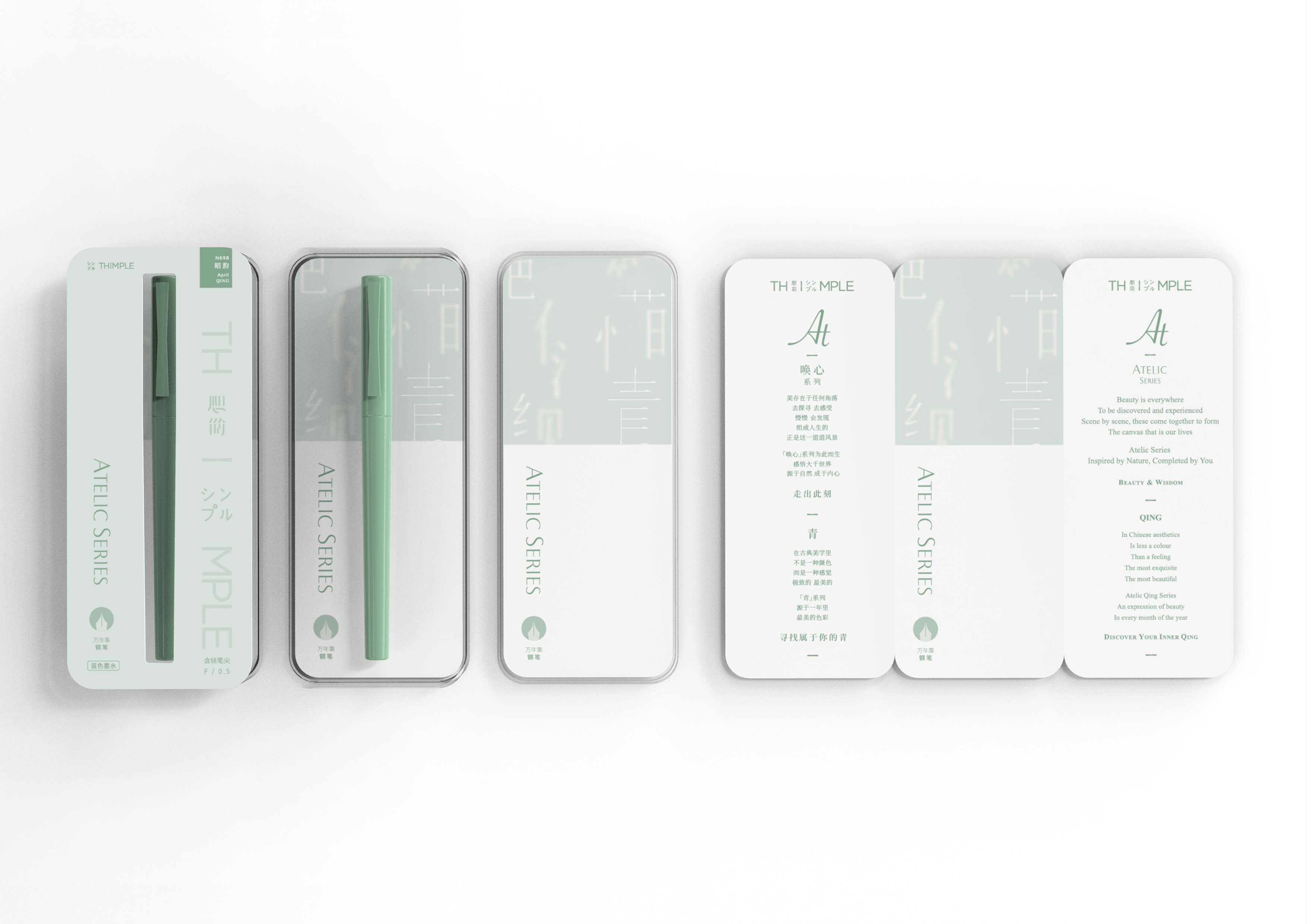
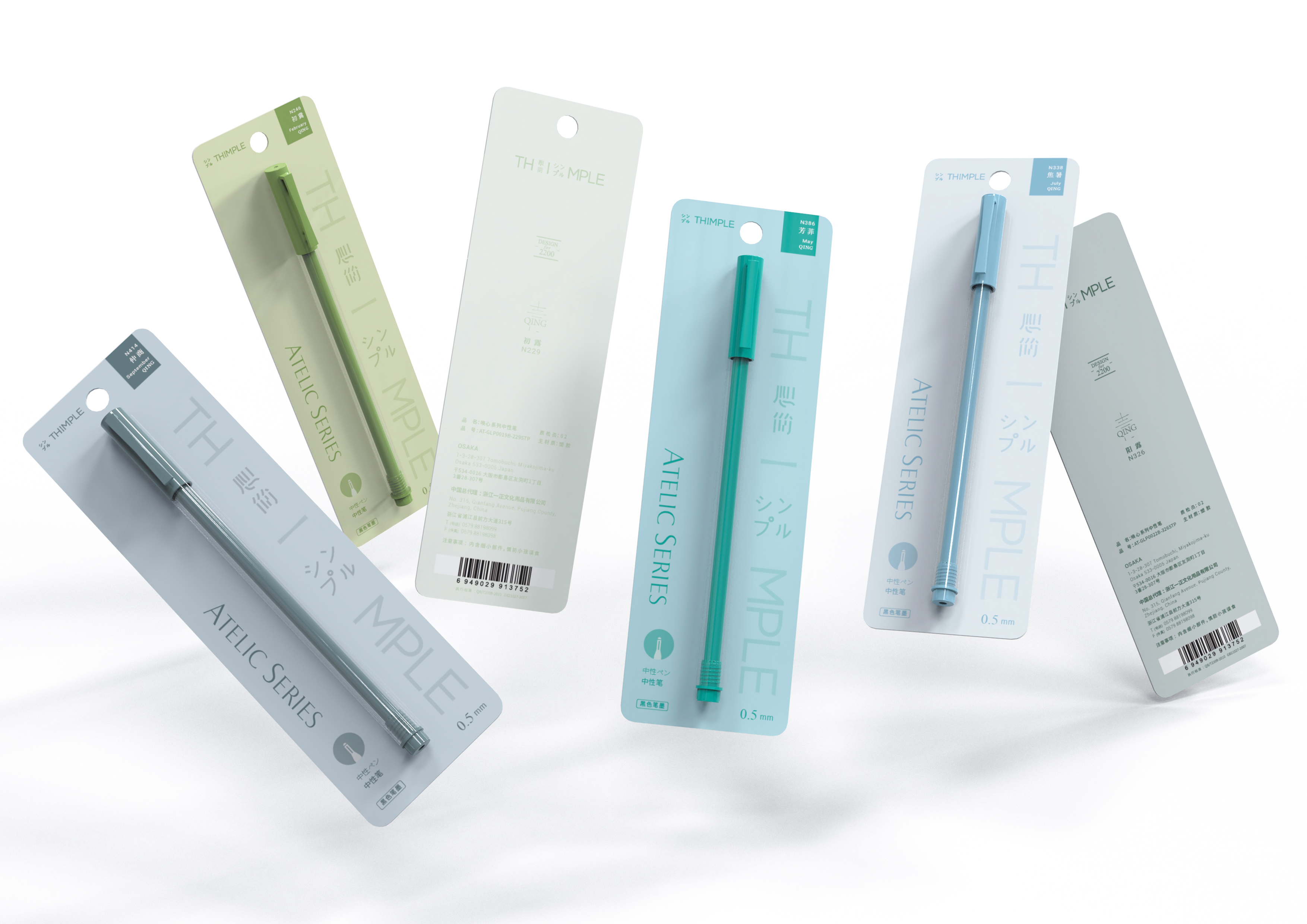
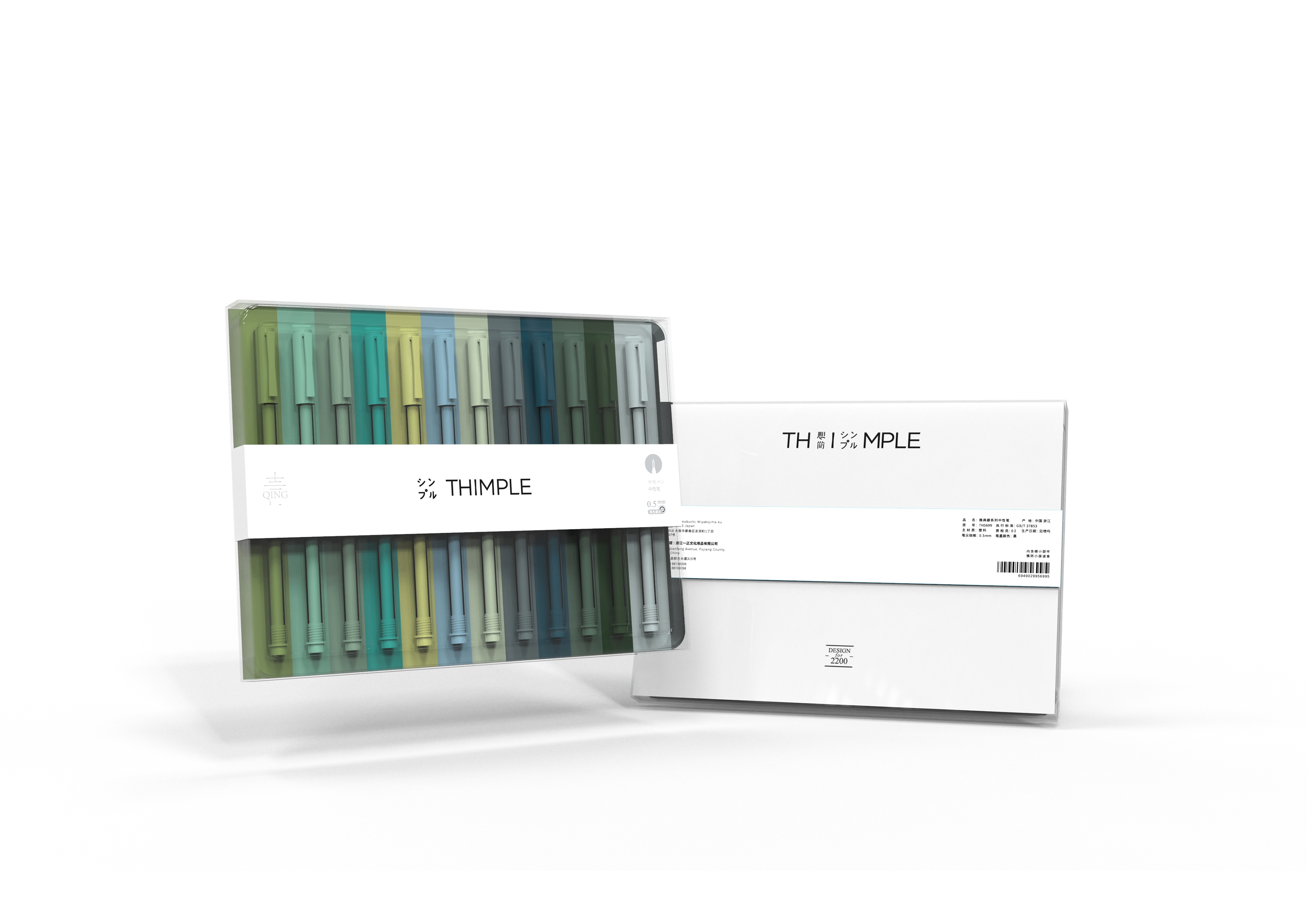
The first is the paper outer packaging, which is the first bearing surface of the entire information space, brand identity, product name, product attributes, color and some necessary product descriptions, in addition, we left a hollow window to facilitate the product appearance to be fully displayed; After removing the paper package, it is a transparent box that can be used as a stationery box for a long time, and at the bottom of the box, we place a foldout, and the first thing we see is the theme of the series, which is the second level of information display; When this is also opened, you will see the original intention of the deeper and complete product series design.
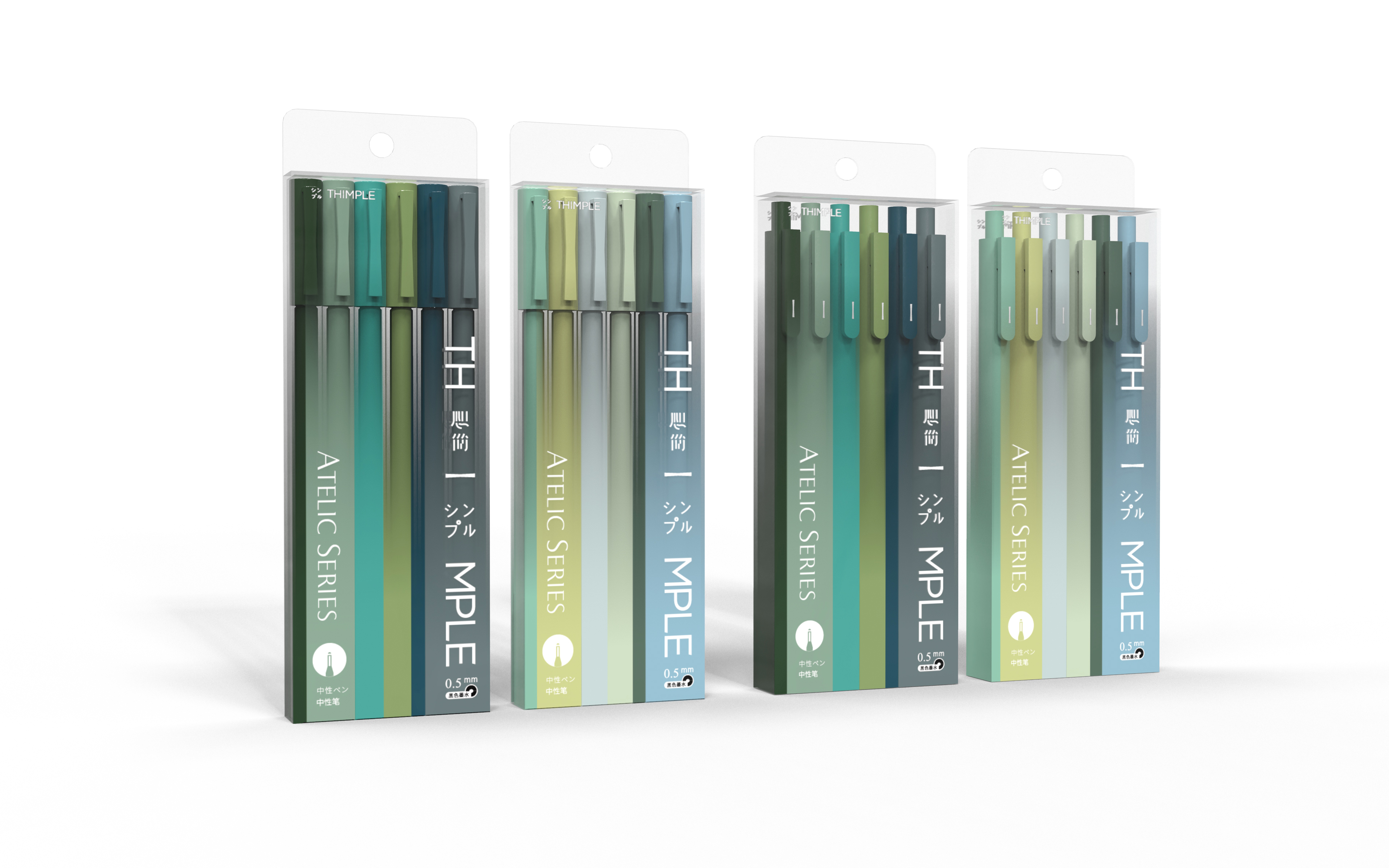
Due to the properties of the product itself and the frequency of replacement, in addition to the general single sales scenario, we also consider the possibility of purchasing multiple sticks. For this purpose, we have designed 6 mixed-color packs and 12 mixed-color packs separately.

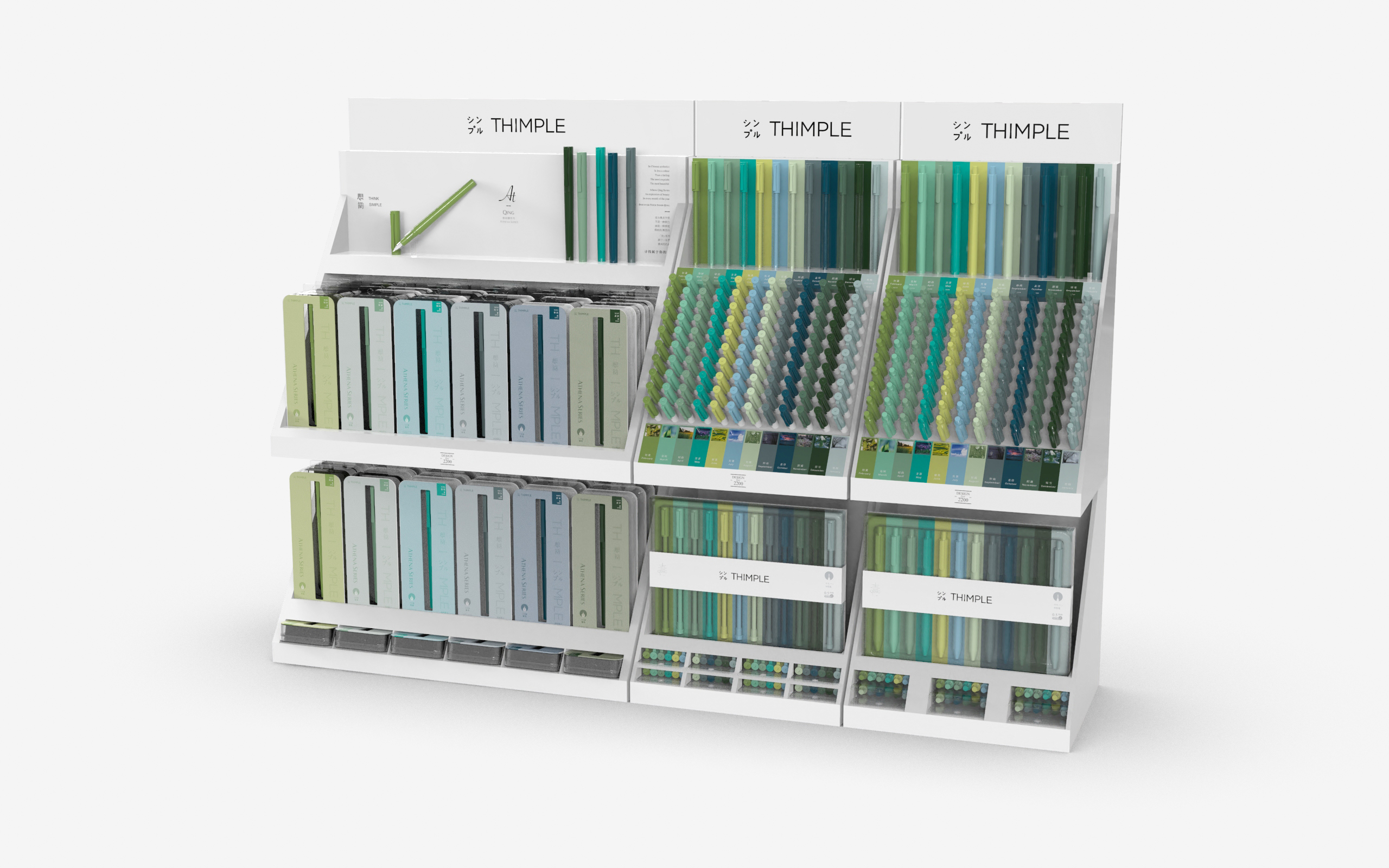
Visual Merchandising
In addition to achieving the purpose of storage and retail, the display of goods is also an important part of displaying products and maintaining the visual system of products.
Naming of Colors

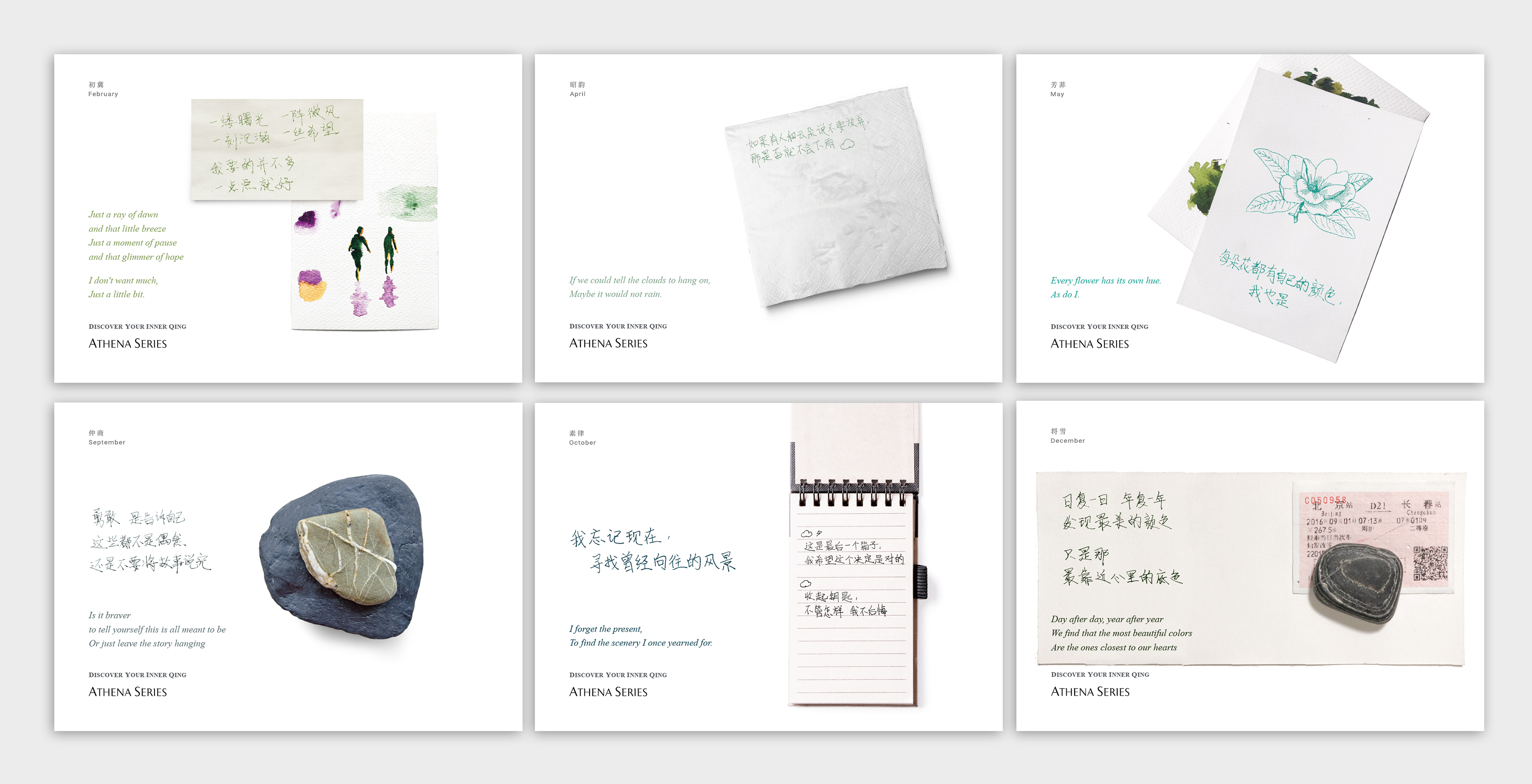
初冀 / February
The first month of the lunar calendar, called “Zheng Yue” or “Zhengyue”, is the beginning of spring (“Meng Chun” in Chinese). It is a time when the branches and twigs in the Yellow River basin begin to recover, marking the hope and start of a new year.

染树 / March
In the lunar calendar, the second month is called “Zhongchun”, which marks the beginning of spring as the warm air gradually strengthens. All things start to recover, and trees rapidly grow green leaves, presenting a thriving scene of vitality.

昭韵 / April
The third month of the lunar calendar is called “Jiyue” in Chinese. The weather begins to warm up, and some areas start spring plowing. In ancient China, the spring season was also referred to as “Zhaojie” or “Yunjie.” “Zhao” means brightness, while “Yun” refers to harmonious sounds.

芳菲 / May
The fourth month of the lunar calendar is Mangxia, also known as early summer. Plants grow lush and dense with leaves. There is a depiction in a Song dynasty poem: “It is the clear weather of Qingming, where the reeds and ponds are beautiful, and everything is suitable. The purple swallows build new nests, and the light rain sprinkles the fragrant flowers.”

郁蒸 / June
The fifth month of the lunar calendar is called Zhongxia, or mid-summer. The poet Lu You once recorded the heat of this moment, saying, “Mid-summer is hot and oppressive, and the heat of the day has not yet dissipated at night.”

焦暑 / July
The sixth month of the lunar calendar is called Jixia or Shuyue in ancient times and is the hottest month of the year. Although blue is the coolest color visually, is there anything more sweat-inducing than the scorching summer sky on a sunny day?

初露 / August
In the lunar calendar, the seventh month is known as Mengqiu, characterized by bright moonlight and gentle breeze. The temperature difference between day and night gradually increases and dew starts to appear on the surface of leaves.

仲商 / September
In the Chinese lunar calendar, August is Zhongqiu (仲秋) which is after the Autumn Equinox. Days start to become shorter and nights become longer in the northern hemisphere. The Emperor Yuan of the Liang Dynasty mentioned in the ‘Zuanyao’ that August is also called ZhongShang (仲商).

阳露 / November
In the lunar calendar, October is recorded as the month of Yang in the book Er Ya, because this period has frequent rainfall. It is also commonly known as the month of dew in folk tradition.

将雪 / December
In the eleventh month of the lunar calendar, we borrow the wisdom of phonetic loan characters to use the character “降” (jiàng) to represent the month. The most representative elements of the severe winter are not only the vast snowscapes but also the pine and cypress trees that ancient writers spared no effort to praise. They remain green throughout the year.

素律 / October
In the Chinese lunar calendar, September is the last month of autumn. Most plants begin to enter the stage of fruit ripening and leaf shedding. Weizhuang, a poet of the Former Shu state, confirmed in his “Diary” that at least before his time, people called this month “Sulü”.

寒酥 / January
In the twelfth month of the lunar calendar, on a winter morning, Xu Wei of the Ming Dynasty wrote about the frost that had not yet dissipated on the green branches: ‘I tried to see a few frosty buds, but they were unwilling to disappear.’ For the color of this month, we chose the momentary, misty sky seen through the gaps between snowflakes.
Beauty is everywhere
To be discovered and experienced
Scene by scene, these come together to form
The canvas that is our lives
Atelic Series
Inspired by Nature, Completed by you
BEAUTY & WISDOM

 United Design Practice